Gold Retraces Amid Index Rebalancing as Market Awaits Payroll Data
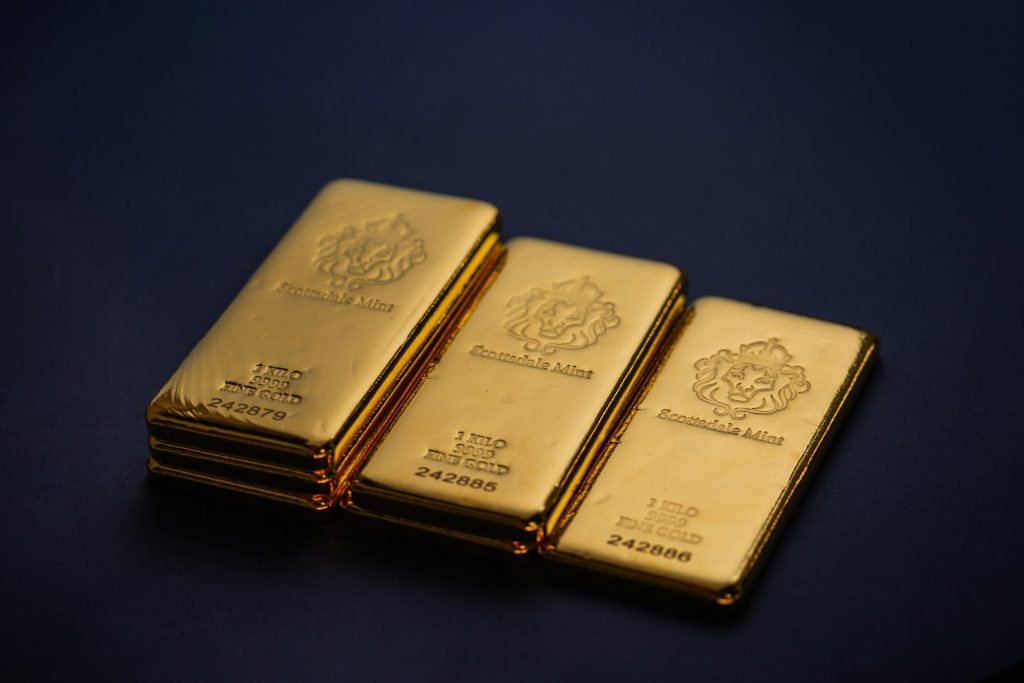
Gold prices retreated on Friday, weighed down by technical adjustments to commodity indices and a strengthening U.S. dollar, as investors squared positions ahead of the pivotal U.S. jobs report due later in the day. Spot gold slipped 0.4% to $4,464.57 per ounce by 03:53 GMT, though the metal remains on track for a weekly gain of approximately 3%. This pullback follows a recent surge that saw bullion hit a record high of $4,549.71 on December 26.
Despite the spot market dip, U.S. gold futures for February delivery managed a modest 0.3% gain, trading at $4,473.60. Market analysts attribute the immediate softness to a mix of profit-taking and currency headwinds. Independent analyst Ross Norman noted that while prices have eased over the last three days, the primary driver right now is the resilience of the greenback ahead of the Non-Farm Payrolls (NFP) data.
The Dollar and Index Pressures
The U.S. dollar has climbed to a near one-month high, buoyed by traders awaiting a Supreme Court ruling regarding President Donald Trump’s use of emergency tariff powers. A stronger dollar typically acts as a headwind for commodities, making gold more expensive for holders of other currencies.
Further pressure is being applied by the annual rebalancing of the Bloomberg Commodity Index. This periodic adjustment of commodity weightings often triggers selling in the precious metals sector at the start of the year. According to Norman, while this index reweighting causes some “light weakness,” the fundamental backdrop for gold remains largely positive once these technical adjustments conclude.
Economic Data and Long-Term Forecasts
All eyes are currently fixed on the upcoming labor data, with economists forecasting moderate growth of 60,000 jobs and a slight dip in the unemployment rate to 4.5% from 4.6%. However, looking beyond the immediate data, major financial institutions remain incredibly bullish on the metal’s trajectory for 2026.
HSBC projects that gold could climb to $5,000 per ounce in the first half of the year, driven by escalating geopolitical risks and rising global debt. UBS Wealth Management shares this optimism, identifying gold as a central portfolio driver for 2026. Their analysts predict prices could hit the $5,000 mark by the end of the first quarter and sustain those levels through the autumn. While UBS anticipates a moderate pullback to around $4,800 toward the end of the year, they warn that political or financial shocks—such as tensions surrounding the U.S. midterms or geopolitical flashpoints like the recent U.S. operations regarding Venezuela—could temporarily spike prices as high as $5,400.
Broader Precious Metals Performance
The volatility in gold was mirrored across the wider precious metals complex. Spot silver fell 0.5% to $76.48 per ounce after reaching an all-time high of $83.62 on December 29, though it is still poised for a weekly rise of over 5%.
Platinum also saw a decline, dropping 1.8% to $2,227.11 per ounce following its own record peak of $2,478.50 set last Monday. Palladium, meanwhile, held steady at $1,786.18. Despite the daily fluctuations, both metals are on course to close the week in positive territory, benefiting from the same safe-haven flows and economic uncertainties that continue to bolster the gold market.
 The Critical Minerals Scramble: How Legacy Coal and Aggressive Explorers Are Fronting the Volatility
  Biotech Sector Watch: Iovance Shares Slide as Phathom Issues Upbeat 2026 Forecast
  Solar Sector’s Paradox: Global Resilience Meets Spain’s Oversupply Crisis
 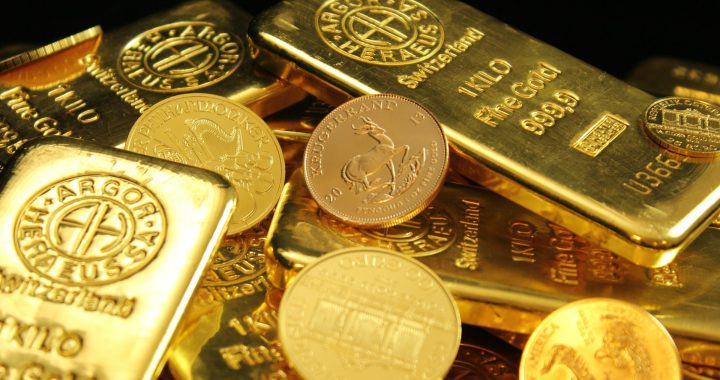 Xetra-Gold Shows Resilience as Spot Prices Climb
  Coffee Market Sees Shifting Dynamics: Reborn Stock Update and German Retail Price Cuts
  Iberdrola Investments Hit Record 9 Billion Euros, Driven by UK and US Growth, Boosting Profit by 17%
  Peak TV Just Got Peaker: AMC’s Secret Society and the Elusive 100% Rotten Tomatoes Club
  The Ultimate Revenge Tour: How Sam Darnold and the 2018 Draft Class Are Rewriting NFL History
  Gridlock in Montreal: Hamilton Ditches the Sim While Herta Battles the F2 Learning Curve